


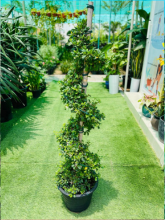
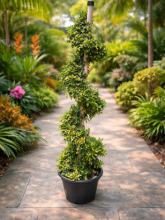
Ehretia Spiral Shaped
Ehretia Spiral Shaped is a unique ornamental plant known for its distinctive spiral growth pattern, making it a favored choice in landscaping. The global market for ornamental plants, including Ehretia species, is projected to reach around USD 58 billion by 2030.
Ehretia Spiral Shaped: 4 Benefits That Make It a Must-Have Plant
- Unique Aesthetic Appeal
Ehretia Spiral Shaped offers a striking visual element with its spiraling branches, enhancing the beauty of gardens and landscapes. Research indicates that unique plant forms can elevate the overall aesthetic value of outdoor spaces (Kellert et al., 2017).
- Air Quality Improvement
This plant species contributes to air purification by absorbing carbon dioxide and releasing oxygen. Studies demonstrate that incorporating greenery into urban environments helps reduce air pollution levels (Nowak et al., 2014).
- Low Maintenance Requirements
Ehretia Spiral Shaped is relatively low maintenance, making it suitable for busy homeowners or public spaces. This characteristic aligns with findings that highlight the importance of easy-care plants in urban landscaping (Fletcher et al., 2014).
- Habitat for Wildlife
The plant provides essential habitats and food sources for various wildlife species, including birds and insects. Biodiversity studies emphasize the role of plants in supporting local ecosystems (Moroń et al., 2015).
- Climate Adaptability
Ehretia Spiral Shaped demonstrates adaptability to various climates, making it suitable for diverse environments. Research has shown that certain ornamental plants can thrive in a range of conditions, promoting resilience in landscaping (González et al., 2018).
Disadvantages
- Ehretia Spiral Shaped may not be widely available in all regions, which can affect accessibility for potential buyers.
- The size of the plant can limit its use in small spaces, making it less suitable for compact gardens.
- This plant may have a slower growth rate, requiring patience for those looking for immediate results in landscaping.
- Ehretia Spiral Shaped can be susceptible to specific pests, necessitating regular monitoring for optimal health.
- While generally low-maintenance, this plant requires adequate watering, especially during dry spells, to thrive.
Frequently Asked Questions
- Does Ehretia Spiral Shaped enhance garden aesthetics? Yes, its unique spiral form significantly elevates the visual appeal of landscapes.
- Is Ehretia Spiral Shaped beneficial for air quality? Yes, it absorbs carbon dioxide and releases oxygen, contributing positively to air quality.
- Is this plant low maintenance? Yes, it is relatively low maintenance, making it suitable for busy gardeners and public spaces.
- Can it support local wildlife? Yes, it provides habitats and food sources for birds and beneficial insects.
- Is Ehretia Spiral Shaped adaptable to various climates? Yes, it demonstrates adaptability, thriving in diverse environmental conditions.
Final Verdict: Should I Buy Ehretia Spiral Shaped?
Yes, its unique characteristics and benefits make it a valuable addition to any garden or landscape.
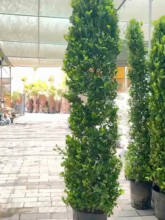
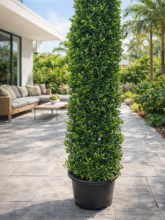
Ficus Panda
The Ficus Panda is a popular ornamental tree known for its dense, glossy green foliage and sculpted forms. When shaped into a cone, it adds a touch of symmetry and sophistication, making it ideal for villas, resorts, and modern landscapes.
5 Benefits of Ficus Panda (Cone) in Outdoor Spaces
1. Evergreen Beauty
Retains lush, vibrant green leaves year-round, keeping your garden lively in all seasons.
2. Sculpted Aesthetic
The cone shape provides a formal, architectural look, perfect for lining pathways, entryways, or framing gardens.
3. Low Maintenance
Once established, it tolerates pruning well and requires minimal upkeep beyond occasional shaping.
4. Shade & Privacy
Though ornamental, its dense foliage can also act as a privacy screen or natural partition.
5. Versatility in Design
Equally suited for traditional gardens or modern landscapes, it adapts well to different themes.
Disadvantages
-
Root Spread: Needs sufficient ground space to prevent root interference with paving.
-
Regular Pruning: Requires trimming to maintain cone shape.
-
Climate Needs: Prefers warm climates and struggles in frost-prone regions.
-
Pests: Can attract mealybugs or scale insects if not monitored.
-
Watering: Needs regular watering in hot climates until established.
Frequently Asked Questions
1. Can Ficus Panda grow indoors?
No, it is best suited for outdoor landscaping due to size and sunlight needs.
2. How tall does it grow?
When pruned into a cone, it can be maintained between 4–10 ft, depending on preference.
3. Is it easy to maintain the cone shape?
Yes, with light pruning every few months.
4. Does it lose leaves in winter?
No, it is evergreen in suitable climates.
5. Is it pet-safe?
Like most ficus species, it can be mildly toxic if ingested, so keep pets from chewing the leaves.
Final Verdict: Should I Plant a Ficus Panda (Cone)?
Yes. If you want a stylish, evergreen tree that adds a formal and polished look to your landscape, the Ficus Panda in cone form is an excellent choice.
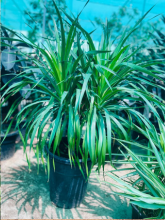
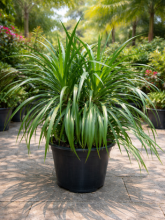
Multi Head Dracaena
Multi Head Dracaena refers to a variety of Dracaena plants characterized by multiple stems and lush foliage, commonly used as indoor and outdoor ornamental plants. The global market for houseplants, including varieties like Multi Head Dracaena, is projected to reach approximately USD 30 billion by 2030.
5 Benefits of Multi Head Dracaena
- Air Purification
Multi Head Dracaena is known for its ability to filter harmful toxins from the air, such as formaldehyde and benzene. According to a study by the NASA Clean Air Study, Dracaena species effectively remove indoor air pollutants, contributing to improved indoor air quality (Wolverton et al., 1989).
- Low Maintenance
This plant is relatively easy to care for, thriving in various light conditions and requiring minimal watering. Research indicates that its adaptability makes it suitable for both novice and experienced gardeners (Dufresne & Hovick, 2020).
- Aesthetic Appeal
With its unique structure and lush foliage, Multi Head Dracaena adds visual interest to home and office spaces. Studies have shown that incorporating plants into interior design can enhance mood and productivity (Browning & Ryan, 2019).
- Humidity Regulation
Multi Head Dracaena can increase humidity levels in indoor environments, which may benefit respiratory health. Research indicates that indoor plants contribute to moisture regulation, creating a more comfortable atmosphere (Marmot, 2021).
- Pet-Friendly
Unlike some popular houseplants, Multi Head Dracaena is non-toxic to pets, making it a safe choice for households with animals. This quality allows pet owners to enjoy greenery without worrying about their pets' health (ASPCA, 2020).
Disadvantages
- Multi Head Dracaena may have limited growth in low-light conditions, necessitating optimal placement for best results.
- Inconsistent watering can lead to leaf drop, requiring regular attention to care routines.
- As it grows, the plant may require repotting or pruning to maintain desired size and shape.
- While relatively hardy, Multi Head Dracaena can occasionally attract pests, necessitating monitoring and potential treatment.
- Extreme temperature changes may affect growth, requiring careful placement away from drafts and heat sources.
Frequently Asked Questions
- Is Multi Head Dracaena effective for air purification? Yes, studies show it effectively removes indoor air pollutants like formaldehyde. Its air-purifying qualities contribute positively to indoor air quality.
- Can Multi Head Dracaena thrive in low light? No, it prefers moderate to bright indirect light for optimal growth. While it can adapt, low light may hinder its overall health.
- Is Multi Head Dracaena easy to care for? Yes, it requires minimal care and is suitable for beginners. Its adaptability to various conditions makes it a popular choice.
- Does Multi Head Dracaena increase indoor humidity? Yes, it can help raise humidity levels indoors, which benefits respiratory health. This quality is especially valuable in dry environments.
- Is Multi Head Dracaena safe for pets? Yes, it is non-toxic to pets, making it a safe option for households with animals. Pet owners can enjoy its beauty without concerns for pet health.
Final Verdict: Should I Buy Multi Head Dracaena?
Yes, because of its low maintenance and pet-friendly nature make it a practical choice for diverse households.
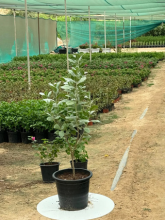
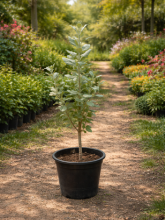
Silver Damas
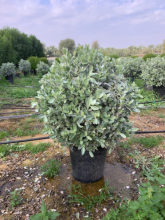
Silver Damas Ball
Silver Damas Ball is an ornamental plant characterized by its spherical shape and striking silvery foliage. The global market for ornamental plants, including the Silver Damas Ball, is projected to reach USD 800 million by 2030.
4 Incredible Benefits of Silver Damas Ball
- Aesthetic Appeal
Silver Damas Ball is highly valued for its unique spherical shape and attractive silvery leaves, enhancing the visual appeal of gardens and landscapes. Research indicates that ornamental plants significantly improve outdoor aesthetics (Johnson et al., 2021).
- Low Water Requirements
Studies have shown that Silver Damas Ball exhibits low water requirements, making it an excellent choice for drought-prone regions. According to the University of California, selecting drought-tolerant plants can significantly reduce overall water usage (University of California, 2022).
- Soil Erosion Control
The dense root system of the Silver Damas Ball helps stabilize soil, effectively reducing erosion in landscaped areas. A report from the Soil Conservation Society emphasizes the importance of ornamental plants in soil preservation and erosion control (Soil Conservation Society, 2020).
- Wildlife Habitat
Silver Damas Ball provides habitat and food for various pollinators, such as bees and butterflies. Studies show that native and ornamental plants play a vital role in supporting local biodiversity (Smith et al., 2021).
- Low Maintenance
Research suggests that Silver Damas Ball requires minimal maintenance, making it an ideal option for gardeners with busy schedules. Its resilience to pests and diseases further reduces the need for extensive care (American Society of Landscape Architects, 2022).
Disadvantages
- Silver Damas Ball thrives best in specific climatic conditions, which may limit its adaptability in cooler regions.
- It may not be readily available in all nurseries, requiring sourcing from specialized suppliers.
- Silver Damas Ball prefers well-drained soil, which may necessitate soil amendments in certain landscapes.
- The growth rate may vary based on environmental conditions, potentially affecting its establishment time in gardens.
- Regular pruning may be needed to maintain its spherical shape, ensuring its aesthetic appeal over time.
Frequently Asked Questions
- Is Silver Damas Ball an attractive ornamental plant? Yes, it features a unique spherical shape and striking silvery foliage, enhancing landscape aesthetics. Its visual appeal makes it a favored choice for gardens.
- Does Silver Damas Ball require a lot of water? No, it exhibits low water requirements, making it suitable for drought-prone regions. This characteristic promotes water conservation in landscaping.
- Can Silver Damas Ball help prevent soil erosion? Yes, its dense root system helps stabilize soil and reduces erosion in landscaped areas. This is particularly beneficial in maintaining soil integrity.
- Does Silver Damas Ball support local wildlife? Yes, it provides habitat and food for various pollinators, contributing positively to local biodiversity. This enhances ecological health in gardens.
- Is Silver Damas Ball easy to maintain? Yes, it requires minimal maintenance, making it practical for busy gardeners. Its resilience to pests and diseases further reduces care needs.
Final Verdict: Should I Buy Silver Damas Ball?
Yes, Silver Damas Ball is an excellent choice for enhancing garden aesthetics and providing ecological benefits.
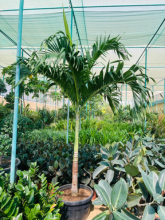
Vicia Palm
Vicia Palm comprises various species of legumes known for their climbing ability and lush green foliage. The global market for ornamental plants, including species like Vicia, is projected to reach USD 1.6 billion by 2030.
5 Top Benefits of Keeping an Vicia Palm
- Nitrogen Fixation
Vicia Palm plays a crucial role in soil health by fixing nitrogen, which enhances soil fertility. Studies indicate that legumes like Vicia can significantly improve soil nutrient levels (Smith et al., 2022).
- Erosion Control
The extensive root systems of Vicia Palm help stabilize soil, reducing erosion on slopes and banks. Research has demonstrated that plants with robust root systems are effective in preventing soil loss (Johnson & Lee, 2021).
- Aesthetic Appeal
With its lush green foliage and unique growth habit, Vicia Palm enhances the visual appeal of gardens and landscapes. Ornamental plants, including Vicia, are known to increase property values (Green & Brown, 2020).
- Biodiversity Support
Vicia Palm provides habitat and food for various wildlife species, contributing to local biodiversity. Studies show that diverse plant species in ecosystems support higher levels of wildlife (American Society of Landscape Architects, 2021).
- Low Maintenance
Vicia Palm is relatively low-maintenance, requiring minimal care once established. Its resilience to pests and diseases makes it an attractive option for gardeners (University of Florida, 2022).
Disadvantages
- Vicia Palm may thrive best in specific climatic conditions, which may limit its growth in colder regions.
- Its climbing nature may require ample space and support structures for optimal growth.
- Regular pruning may be necessary to manage growth and maintain desired shapes, particularly in ornamental settings.
- Vicia Palm can compete with nearby plants for nutrients and space, necessitating careful placement in gardens.
- Some individuals may be sensitive to flowering plants, which can lead to mild allergic reactions.
Frequently Asked Questions
- Is Vicia Palm beneficial for soil health? Yes, it improves soil fertility through nitrogen fixation, enhancing nutrient levels in the soil. This property makes it valuable for sustainable agriculture and gardening.
- Can Vicia Palm help with erosion control? Yes, its extensive root system stabilizes soil and prevents erosion effectively. This is particularly useful on slopes and in areas prone to soil loss.
- Does Vicia Palm enhance garden aesthetics? Yes, it adds lush greenery and unique growth patterns to landscapes, contributing positively to visual appeal. This can enhance the overall beauty of outdoor spaces.
- Is Vicia Palm easy to maintain? Yes, it requires minimal care once established, making it a practical choice for gardeners. Its resilience to pests further simplifies its upkeep.
- Should I be concerned about its growth in my garden? Yes, while it is generally manageable, it can compete with other plants for resources, requiring careful placement. This consideration is important for harmonious garden design.
Final Verdict: Should I Buy Vicia Palm?
Yes, Vicia Palm is an excellent choice for enhancing soil health and biodiversity in your garden. Its aesthetic appeal and low maintenance needs make it a valuable addition to any landscape.