


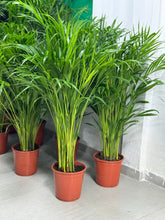
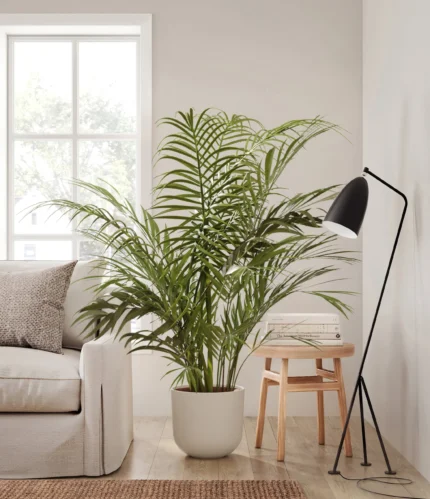
Areca Palm
The Areca Palm (Dypsis lutescens), also known as the butterfly palm or golden cane palm, is a tropical plant commonly grown indoors and in landscapes for its attractive, feathery fronds. The global market for ornamental plants, including Areca Palms, is expected to reach approximately USD 64 billion by 2030.
4 Key Benefits of Having Areca Palm in Your Home
- Air Purification: According to NASA’s Clean Air Study, Areca Palm is effective in removing pollutants like formaldehyde, xylene, and toluene from indoor air, contributing to a healthier environment.
- Humidity Control: The Areca Palm releases significant moisture into the air through transpiration, which helps maintain indoor humidity levels, making it beneficial in dry climates.
- Improved Respiratory Health: A study published in theJournal of Clinical Medicineshows that plants like the Areca Palm can improve air moisture, reducing symptoms of dry skin, throat irritation, and respiratory issues.
- Stress Reduction and Aesthetic Appeal: Research has shown that the presence of Areca Palms in homes and workplaces can lower stress levels and boost overall mental well-being by creating a calming, green environment.
- Pet-Friendly Plant: The Areca Palm is non-toxic to pets, as confirmed by theAmerican Society for the Prevention of Cruelty to Animals(ASPCA), making it a safe choice for households with animals.
Disadvantages
- Areca Palm thrives in indirect sunlight, encouraging thoughtful placement for optimal growth and plant health.
- The plant requires regular watering, fostering consistent care routines that promote mindfulness.
- As the Areca Palm can grow tall, it is best suited for larger rooms or outdoor areas, inspiring efficient use of space.
- This plant prefers warm environments, promoting attention to indoor temperature regulation and plant health.
Frequently Asked Questions
- Does the Areca Palm improve indoor air quality? Yes, NASA studies confirm that the Areca Palm can remove harmful pollutants from indoor air.
- Is the Areca Palm safe for pets? Yes, the Areca Palm is non-toxic and safe for pets, according to the ASPCA.
- Does the Areca Palm need a lot of sunlight? No, the Areca Palm thrives in indirect sunlight, making it suitable for indoor environments.
- Can the Areca Palm help with respiratory health? Yes, by increasing humidity, the Areca Palm can reduce respiratory issues caused by dry air.
Final Verdict: Should I Buy the Areca Palm?
Yes, It is a pet-friendly plant, making it a great choice for enhancing both indoor and outdoor spaces.
The Areca Palm (Dypsis lutescens), also known as the butterfly palm or golden cane palm, is a tropical plant commonly grown indoors and in landscapes for its attractive, feathery fronds. The global market for ornamental plants, including Areca Palms, is expected to reach approximately USD 64 billion by 2030.
4 Key Benefits of Having Areca Palm in Your Home
- Air Purification: According to NASA’s Clean Air Study, Areca Palm is effective in removing pollutants like formaldehyde, xylene, and toluene from indoor air, contributing to a healthier environment.
- Humidity Control: The Areca Palm releases significant moisture into the air through transpiration, which helps maintain indoor humidity levels, making it beneficial in dry climates.
- Improved Respiratory Health: A study published in theJournal of Clinical Medicineshows that plants like the Areca Palm can improve air moisture, reducing symptoms of dry skin, throat irritation, and respiratory issues.
- Stress Reduction and Aesthetic Appeal: Research has shown that the presence of Areca Palms in homes and workplaces can lower stress levels and boost overall mental well-being by creating a calming, green environment.
- Pet-Friendly Plant: The Areca Palm is non-toxic to pets, as confirmed by theAmerican Society for the Prevention of Cruelty to Animals(ASPCA), making it a safe choice for households with animals.
Disadvantages
- Areca Palm thrives in indirect sunlight, encouraging thoughtful placement for optimal growth and plant health.
- The plant requires regular watering, fostering consistent care routines that promote mindfulness.
- As the Areca Palm can grow tall, it is best suited for larger rooms or outdoor areas, inspiring efficient use of space.
- This plant prefers warm environments, promoting attention to indoor temperature regulation and plant health.
Frequently Asked Questions
- Does the Areca Palm improve indoor air quality? Yes, NASA studies confirm that the Areca Palm can remove harmful pollutants from indoor air.
- Is the Areca Palm safe for pets? Yes, the Areca Palm is non-toxic and safe for pets, according to the ASPCA.
- Does the Areca Palm need a lot of sunlight? No, the Areca Palm thrives in indirect sunlight, making it suitable for indoor environments.
- Can the Areca Palm help with respiratory health? Yes, by increasing humidity, the Areca Palm can reduce respiratory issues caused by dry air.
Final Verdict: Should I Buy the Areca Palm?
Yes, It is a pet-friendly plant, making it a great choice for enhancing both indoor and outdoor spaces.
Henectus tincidunt
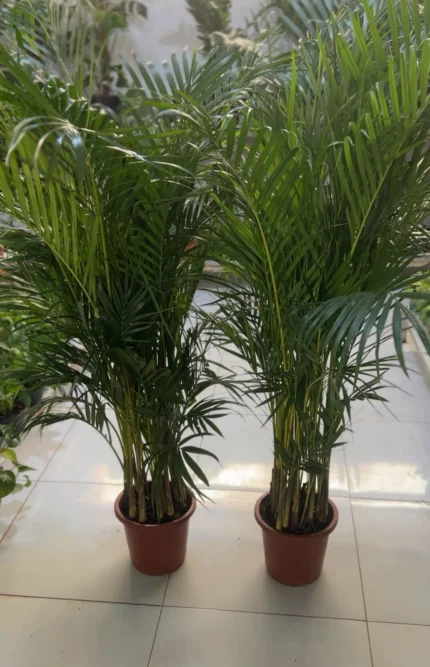
Enhance your space with the refreshing greenery of a Pair of Areca Palms. Known for their lush, feathery fronds and graceful appearance, Areca palms are one of the most popular indoor and outdoor decorative plants. When placed as a pair, they create a balanced and elegant look, making them perfect for entrances, living rooms, patios, or office lobbies.
Features:
-
Vibrant, arching fronds that add a tropical charm.
-
Excellent natural air purifier—removes toxins and improves indoor air quality.
-
Thrives in bright, indirect light with moderate watering.
-
Safe and non-toxic to pets, making it a family-friendly choice.
Perfect For:
-
Villa entrances and patios.
-
Indoor corners for a lush green accent.
-
Office spaces and commercial lobbies.
-
Pairing with decorative pots for a modern, elegant finish.
Money Tree / Pachira
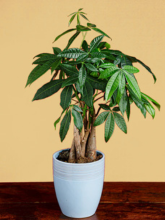
The Money Tree, also known as Pachira aquatica, is a tropical plant often associated with bringing good luck and prosperity, commonly used as an ornamental indoor plant. The global houseplant market, which includes the Money Tree, is expected to reach $5.8 billion by 2030due to growing interest in indoor plants.
5 Surprising Benefits of Money Tree / Pachira in Your Home
- Air Purification
The Money Tree is known to help improve indoor air quality by removing pollutants like formaldehyde, according to air-purification studies.
- Low Maintenance
This plant is easy to care for, requiring minimal water and thriving in indirect sunlight, making it ideal for beginner plant owners.
- Symbol of Good Luck
The Money Tree is believed to bring good fortune and positive energy, which makes it a popular choice in homes and offices.
- Stress Reduction
Studies indicate that indoor plants, including the Money Tree, can help reduce stress and promote a calming environment.
- Adaptive to Indoor Environments
It adapts well to a variety of indoor conditions, making it suitable for different spaces, from homes to office environments.
Disadvantages
- Money Tree may grow large and need adequate space to thrive.
- It requires regular pruning to maintain its shape and health.
- The plant can suffer from root rot if overwatered.
- Prefers indirect sunlight, limiting placement options in darker areas.
- It may need repotting and trimming to manage its size over time.
Frequently Asked Questions
- Does the Money Tree really bring good luck?
Yes, it is believed to symbolize wealth and prosperity, but this belief is cultural and not scientifically proven.
- Can I grow a Money Tree in low light?
Yes, but while it can tolerate low light, the plant will grow best in bright, indirect sunlight for optimal health and leaf growth.
- Does the Money Tree improve indoor air quality?
Yes, it helps purify the air by removing pollutants like formaldehyde, which can enhance the quality of indoor environments.
- Is the Money Tree pet-friendly?
No, while generally not toxic, it’s still advisable to keep it out of reach of pets to avoid any potential irritation.
- Is the Money Tree hard to care for?
No, it is considered low-maintenance and easy to care for, making it a great choice for beginners or busy plant owners.
Final Verdict: Should I Buy Money Tree / Pachira?
Yes, the Money Tree is an excellent choice for those seeking an easy-to-care-for plant with air-purifying benefits and makes it a great addition to any home or office.
Snake Plant
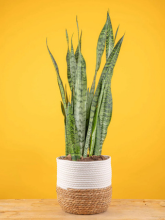
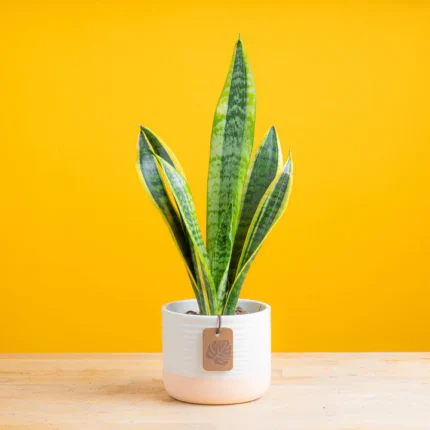
The Snake Plant (Sansevieria trifasciata), also known as mother-in-law's tongue. The global market for indoor plants, including Snake Plants, is expected to reach approximately USD 26 billion by 2030.
How Snake Plant Brings 5 Health Benefits to Your Space
- Air Purification: Research from NASA’s Clean Air Study highlights that the Snake Plant can effectively filter indoor air pollutants, such as formaldehyde, xylene, and toluene, enhancing indoor air quality.
- Oxygen Production: The Snake Plant is unique among houseplants as it converts carbon dioxide into oxygen at night, promoting better air quality and potentially improving sleep quality.
- Low Maintenance: Studies indicate that the Snake Plant requires minimal care, thriving in low light and with infrequent watering, making it an ideal choice for busy individuals or beginners.
- Resilience to Conditions: The Snake Plant can tolerate a wide range of temperatures and humidity levels, demonstrating adaptability to various indoor environments and making it suitable for diverse settings.
- Aesthetic Appeal: With its striking vertical leaves and architectural form, the Snake Plant adds visual interest to any room, contributing to an enhanced indoor aesthetic.
Disadvantages
- While it thrives in low light, the Snake Plant also benefits from indirect sunlight, encouraging placement in various light conditions.
- The need for infrequent watering promotes a low-maintenance care routine, allowing for flexibility in plant care schedules.
- The Snake Plant is mildly toxic to pets if ingested, highlighting the importance of careful placement in homes with animals.
- The Snake Plant grows slowly, allowing for a longer-lasting presence in indoor spaces and less frequent repotting.
Frequently Asked Questions
- Does the Snake Plant improve indoor air quality? Yes, studies confirm that the Snake Plant can effectively filter indoor air pollutants.
- Can the Snake Plant survive in low light? Yes, the Snake Plant is well-suited for low-light conditions, making it an adaptable indoor plant.
- Is the Snake Plant easy to care for? Yes, it is considered low maintenance and suitable for both novice and experienced plant owners.
- Is the Snake Plant safe for pets? No, the Snake Plant is mildly toxic to pets if ingested, so careful placement is recommended.
Final Verdict: Should I Buy the Snake Plant?
Yes, the Snake Plant offers resilience and aesthetic appeal make it an excellent addition to any indoor space.