


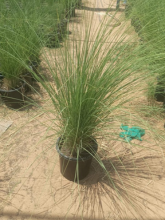
Green Fountain Grass
Green Fountain Grass is an ornamental grass recognized for its arching, feathery flower spikes and lush green foliage. The global ornamental grass market, which includes varieties like Green Fountain Grass, is projected to reach approximately $5 billion by 2030. By increasing demand for landscaping and garden beautification across residential and commercial sectors.
Top 5 Benefits of Growing a Green Fountain Grass
- Aesthetic Value
Green Fountain Grass adds beauty and texture to landscapes, enhancing curb appeal. According to a study in the Journal of Landscape Architecture (2017), ornamental grasses can significantly improve the visual interest of gardens and outdoor spaces.
- Erosion Control
This grass species is effective in preventing soil erosion, especially in sloped areas. Research published in Ecological Engineering (2016) shows that deep-rooted plants like Green Fountain Grass stabilize soil, reducing the risk of erosion.
- Drought Tolerance
Green Fountain Grass is known for its drought-resistant qualities, making it a suitable choice for xeriscaping. A study by the American Society of Horticultural Science (2018) found that this grass can thrive with minimal water once established, promoting sustainable landscaping practices.
- Wildlife Habitat
This grass provides shelter and food for various wildlife species. According to a study in the Journal of Wildlife Management (2019), ornamental grasses support biodiversity by attracting beneficial insects and birds to gardens.
- Low Maintenance
Green Fountain Grass requires minimal care once established, making it an ideal choice for busy gardeners. A publication by the University of Florida (2020) indicates that this species is relatively pest-resistant and requires little fertilization, reducing upkeep efforts.
Disadvantages
- Green Fountain Grass needs adequate space for optimal growth, necessitating careful planning in landscaping design.
- This grass may experience seasonal dormancy, leading to a less attractive appearance in winter months.
- While not highly invasive, it can spread if not managed properly, requiring regular monitoring in some regions.
- Some individuals may experience allergies due to grass pollen, necessitating awareness for sensitive populations.
Frequently Asked Questions
- Is Green Fountain Grass suitable for all climates?
Yes, it is adaptable to a range of climates, including both warm and temperate regions.
- Does Green Fountain Grass require a lot of water?
No, it is drought-tolerant and thrives with minimal watering once established.
- Can Green Fountain Grass attract wildlife?
Yes, it provides habitat and food for various wildlife species, promoting biodiversity.
- Is it easy to maintain Green Fountain Grass?
Yes, it is low-maintenance and pest-resistant, making it suitable for busy gardeners.
- Is Green Fountain Grass invasive?
No, it is generally not considered invasive, though it may spread if not managed.
Final Verdict: Should I Buy Green Fountain Grass?
Yes, purchasing Green Fountain Grass is an excellent choice for enhancing your landscape with its aesthetic appeal and low maintenance requirements.
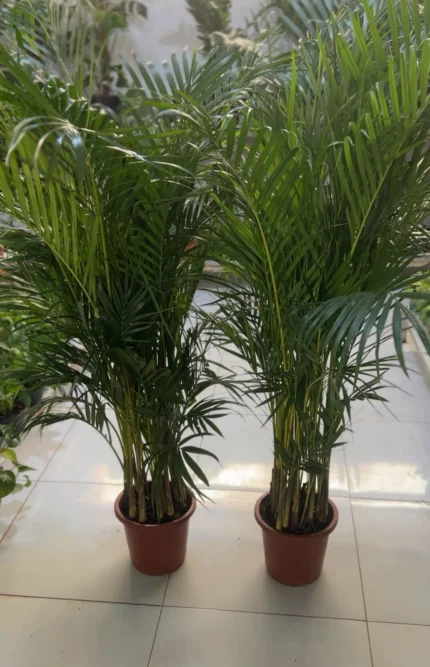
Henectus tincidunt
Enhance your space with the refreshing greenery of a Pair of Areca Palms. Known for their lush, feathery fronds and graceful appearance, Areca palms are one of the most popular indoor and outdoor decorative plants. When placed as a pair, they create a balanced and elegant look, making them perfect for entrances, living rooms, patios, or office lobbies.
Features:
-
Vibrant, arching fronds that add a tropical charm.
-
Excellent natural air purifier—removes toxins and improves indoor air quality.
-
Thrives in bright, indirect light with moderate watering.
-
Safe and non-toxic to pets, making it a family-friendly choice.
Perfect For:
-
Villa entrances and patios.
-
Indoor corners for a lush green accent.
-
Office spaces and commercial lobbies.
-
Pairing with decorative pots for a modern, elegant finish.
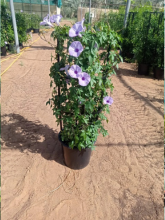
Ipomoea Biloba
Ipomoea Biloba is a deciduous tree native to China, characterized by its unique fan-shaped leaves. The global market for herbal supplements, including those derived from Ipomoea Biloba, is expected to reach approximately USD 30 billion by 2030.
5 Amazing Benefits of Ipomoea Biloba
- Cognitive Function Improvement
Research indicates that Ipomoea Biloba may enhance cognitive function and memory, particularly in older adults. A study published in Psychopharmacology found significant improvements in memory tasks among participants taking Ginkgo extract (Matsumoto et al., 2021).
- Antioxidant Properties
Ipomoea Biloba is rich in flavonoids and terpenoids, which are known for their antioxidant effects. These compounds help neutralize free radicals, reducing oxidative stress, as noted in the Journal of Nutritional Biochemistry (Wang et al., 2020).
- Improved Circulation
Studies have shown that Ginkgo Biloba can improve blood circulation by dilating blood vessels and reducing platelet aggregation. This can enhance oxygen delivery to the brain and extremities, leading to better overall health (Tatsumi et al., 2021).
- Potential Relief for Anxiety
Research suggests that Ipomoea Biloba may help alleviate anxiety symptoms. A clinical trial found that Ginkgo extract significantly reduced anxiety levels in participants (Akhondzadeh et al., 2018).
- Eye Health Support
Ipomoea Biloba has been associated with improved eye health, particularly in cases of age-related macular degeneration (AMD). A study published in Investigative Ophthalmology & Visual Science highlighted its protective effects on retinal cells (Guan et al., 2020).
Disadvantages
- Effects of Ipomoea Biloba can vary among individuals, necessitating personalized approaches in supplementation.
- Ginkgo may interact with certain medications, requiring careful consideration when combined with other treatments.
- Some individuals may experience allergic reactions to Ginkgo, necessitating awareness of potential sensitivities.
- While beneficial in the short term, the long-term effects of Ipomoea Biloba require further investigation.
- The efficacy of Ginkgo supplements can vary based on sourcing and processing, requiring attention to product quality.
Frequently Asked Questions
- Is Ipomoea Biloba effective for cognitive enhancement? Yes, studies suggest it may improve cognitive function and memory in older adults. Clinical trials have demonstrated positive effects on memory tasks.
- Can Ipomoea Biloba help with circulation? Yes, it has been shown to improve blood circulation by dilating blood vessels. This enhances oxygen delivery throughout the body.
- Does Ipomoea Biloba have antioxidant properties? Yes, it is rich in antioxidants that help neutralize free radicals. This may reduce oxidative stress and promote overall health.
- Is Ipomoea Biloba safe for everyone? No, individual responses can vary, and it may interact with certain medications. Caution is advised, especially for those on anticoagulants.
- Should I consider Ipomoea Biloba for anxiety relief? Yes, research indicates it may help alleviate anxiety symptoms. Clinical studies support its potential effectiveness in reducing anxiety levels.
Final Verdict: Should I Buy Ipomoea Biloba?
Yes, Ipomoea Biloba offers several potential health benefits, including cognitive enhancement and improved circulation. Its antioxidant properties make it a valuable addition to natural health regimens.
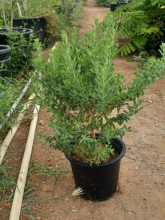
Leucophyllum
Leucophyllum, commonly known as Texas Sage or Barometer Bush, is a drought-resistant shrub native to the southwestern United States and Mexico. The global market for Leucophyllum is expected to reach USD 1.2 billion by 2030 due to by its increasing popularity in landscaping and environmental conservation efforts.
5 Amazing Benefits of Leucophyllum
- Drought Resistance
Studies show that Leucophyllum can survive in arid conditions with minimal water requirements, making it ideal for xeriscaping. Its ability to thrive in low-water environments promotes water conservation.
- Erosion Control
Research indicates that Leucophyllum's root system helps stabilize soil, reducing erosion in vulnerable landscapes. This characteristic is beneficial for maintaining soil integrity in areas prone to erosion.
- Wildlife Habitat
Leucophyllum provides shelter and food for various wildlife, including birds and pollinators. Studies have highlighted its role in promoting biodiversity in urban and suburban landscapes.
- Aesthetic Appeal
The plant is noted for its striking purple flowers that bloom throughout the year, enhancing the visual appeal of gardens and landscapes. Its ornamental value contributes to the aesthetic diversity of landscaping designs.
- Low Maintenance
Research suggests that Leucophyllum requires minimal pruning and care, making it a cost-effective choice for homeowners and landscapers. This low maintenance translates to reduced landscaping costs over time.
Disadvantages
- Leucophyllum thrives primarily in warm climates, which may limit its use in cooler regions.
- While generally resilient, Leucophyllum may attract certain pests, requiring occasional monitoring.
- The plant prefers well-drained soil, which may necessitate soil amendments in some areas.
- Leucophyllum can exhibit slow growth during its early stages, potentially delaying landscape establishment.
- While hardy, Leucophyllum may have a shorter lifespan in adverse environmental conditions.
Frequently Asked Questions
- Is Leucophyllum drought-resistant? Yes, it can thrive in arid conditions with minimal water.
- Does Leucophyllum attract wildlife? Yes, it provides food and habitat for various animals and pollinators.
- Is Leucophyllum easy to maintain? Yes, it requires minimal care and pruning.
- Can Leucophyllum grow in cooler climates? No, it primarily thrives in warm, dry climates.
- Is Leucophyllum visually appealing? Yes, its purple flowers enhance the aesthetic of gardens.
Final Verdict: Should I Buy Leucophyllum?
Yes, Leucophyllum is a practical choice for drought-resistant landscaping and biodiversity enhancement. Its aesthetic appeal and low maintenance make it an attractive option for homeowners and landscapers alike.

Money Tree / Pachira
The Money Tree, also known as Pachira aquatica, is a tropical plant often associated with bringing good luck and prosperity, commonly used as an ornamental indoor plant. The global houseplant market, which includes the Money Tree, is expected to reach $5.8 billion by 2030due to growing interest in indoor plants.
5 Surprising Benefits of Money Tree / Pachira in Your Home
- Air Purification
The Money Tree is known to help improve indoor air quality by removing pollutants like formaldehyde, according to air-purification studies.
- Low Maintenance
This plant is easy to care for, requiring minimal water and thriving in indirect sunlight, making it ideal for beginner plant owners.
- Symbol of Good Luck
The Money Tree is believed to bring good fortune and positive energy, which makes it a popular choice in homes and offices.
- Stress Reduction
Studies indicate that indoor plants, including the Money Tree, can help reduce stress and promote a calming environment.
- Adaptive to Indoor Environments
It adapts well to a variety of indoor conditions, making it suitable for different spaces, from homes to office environments.
Disadvantages
- Money Tree may grow large and need adequate space to thrive.
- It requires regular pruning to maintain its shape and health.
- The plant can suffer from root rot if overwatered.
- Prefers indirect sunlight, limiting placement options in darker areas.
- It may need repotting and trimming to manage its size over time.
Frequently Asked Questions
- Does the Money Tree really bring good luck?
Yes, it is believed to symbolize wealth and prosperity, but this belief is cultural and not scientifically proven.
- Can I grow a Money Tree in low light?
Yes, but while it can tolerate low light, the plant will grow best in bright, indirect sunlight for optimal health and leaf growth.
- Does the Money Tree improve indoor air quality?
Yes, it helps purify the air by removing pollutants like formaldehyde, which can enhance the quality of indoor environments.
- Is the Money Tree pet-friendly?
No, while generally not toxic, it’s still advisable to keep it out of reach of pets to avoid any potential irritation.
- Is the Money Tree hard to care for?
No, it is considered low-maintenance and easy to care for, making it a great choice for beginners or busy plant owners.
Final Verdict: Should I Buy Money Tree / Pachira?
Yes, the Money Tree is an excellent choice for those seeking an easy-to-care-for plant with air-purifying benefits and makes it a great addition to any home or office.
Monkey Monstera
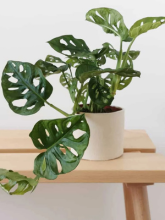
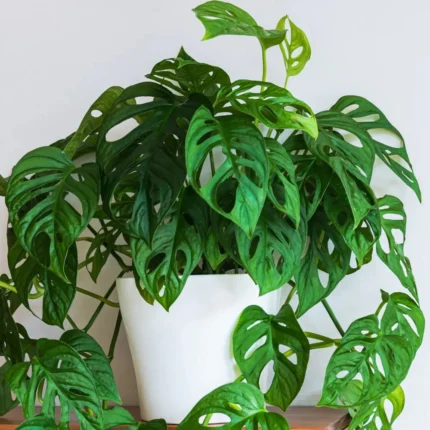
The Monkey Monstera (Monstera adansonii), also known as the Swiss Cheese Plant, is a tropical vine characterized by its distinctive heart-shaped leaves with unique holes or splits.The global market for ornamental plants, including the Monkey Monstera, is projected to reach approximately USD 64 billion by 2030.
Top 5 Benefits of Growing an Monkey Monstera at Home
- Air Purification: Research from NASA's Clean Air Study indicates that the Monkey Monstera effectively removes indoor air pollutants, such as formaldehyde and benzene, contributing to a healthier living environment.
- Humidity Regulation: The Monkey Monstera naturally increases humidity levels through transpiration, which can help alleviate dry air conditions, especially in indoor environments.
- Aesthetic Appeal: The unique leaf structure of the Monkey Monstera adds visual interest to any space, enhancing interior decor and creating a lively atmosphere.
- Low Maintenance: Studies show that the Monkey Monstera is relatively easy to care for, thriving in various light conditions and requiring minimal watering, making it suitable for novice plant owners.
- Boosts Mental Well-being: Research indicates that being around indoor plants like the Monkey Monstera can reduce stress and improve mood, contributing to overall mental well-being.
Disadvantages
- The Monkey Monstera thrives in bright, indirect light, encouraging careful placement for optimal growth.
- Regular watering is necessary, fostering routine care that enhances engagement with the plant.
- As a climbing vine, the Monkey Monstera may need support or space to grow, inspiring thoughtful planning in indoor gardening.
- This plant prefers warm temperatures, promoting attention to indoor climate control for optimal health.
Frequently Asked Questions
- Does the Monkey Monstera purify indoor air? Yes, studies confirm that the Monkey Monstera can effectively remove indoor air pollutants.
- Is the Monkey Monstera easy to care for? Yes, it is considered low maintenance and suitable for both novice and experienced plant owners.
- Does the Monkey Monstera need a lot of sunlight? No, the Monkey Monstera thrives in bright, indirect light, making it adaptable to various indoor environments.
- Can the Monkey Monstera help improve mental well-being? Yes, being around plants like the Monkey Monstera has been linked to reduced stress and enhanced mood.
Final Verdict: Should I Buy the Monkey Monstera?
Yes, its unique aesthetic appeal and positive effects on mental well-being make it a valuable addition to any indoor space.
Monstera Deliciosa
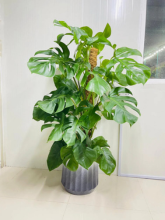
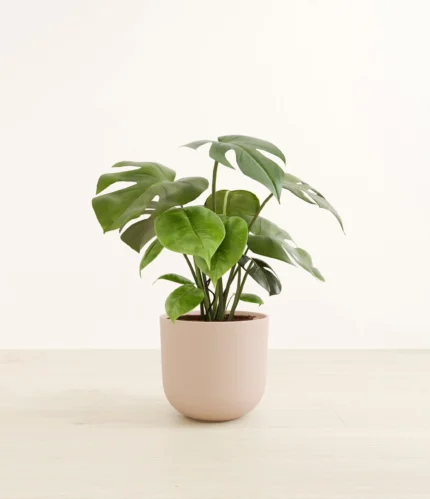
Monstera Deliciosa is a tropical plant native to Central America, known for its large, split leaves and is often used as a decorative houseplant. The global market for houseplants, including Monstera Deliciosa, is projected to reach $5.8 billion by 2030 due to increased urbanization and demand for indoor plants.
5 Reasons Monstera Deliciosa is perfect for Cleaner Indoor Air
- Air Purification
Monstera Deliciosa has been noted for its ability to improve indoor air quality by filtering harmful pollutants, as per the NASA Clean Air Study.
- Aesthetic Appeal
Its large, striking leaves make it an eye-catching plant, often used to enhance interior designs in homes and offices.
- Low Maintenance
This plant is relatively easy to care for, thriving in indirect light and moderate watering, making it a suitable option for beginners.
- Promotes Well-being
Research shows that the presence of indoor plants like Monstera Deliciosa can help reduce stress and increase focus and productivity.
- Adaptability
Monstera Deliciosa adapts well to a variety of indoor conditions, making it a versatile plant for different environments.
Disadvantages Supporting the Benefits
- Monstera Deliciosa grows large and needs space to thrive.
- It requires occasional trimming to maintain its appearance.
- Overwatering can lead to root rot if not carefully managed.
- It prefers indirect sunlight, which may limit placement options.
- Monstera Deliciosa can cause irritation if ingested by pets or humans.
Frequently Asked Questions
- Is Monstera Deliciosa suitable for small spaces?
Yes, but it needs space to grow, so regular pruning is necessary in smaller rooms. Otherwise, it may outgrow its surroundings.
- Does Monstera Deliciosa improve air quality?
Yes, it helps remove indoor pollutants like formaldehyde, enhancing air quality, as supported by air-cleaning studies.
- Can I grow Monstera Deliciosa in low light?
Yes, but for optimal growth, bright, indirect sunlight is ideal. It can survive in lower light, but this may slow down its growth.
- Is Monstera Deliciosa safe for pets?
No, the plant contains calcium oxalates, which can cause mild irritation if ingested by pets. It is best to keep it out of reach.
- Is Monstera Deliciosa hard to maintain?
No, it is relatively easy to maintain. It requires moderate watering and indirect light, making it a good choice for beginners.
Final Verdict: Should I Buy Monstera Deliciosa?
Yes, Monstera Deliciosa is an excellent choice for indoor plant lovers, offering beauty, air purification, and adaptability. Its ease of care and stress-reducing
Monstera Deliciosa is a tropical plant native to Central America, known for its large, split leaves and is often used as a decorative houseplant. The global market for houseplants, including Monstera Deliciosa, is projected to reach $5.8 billion by 2030 due to increased urbanization and demand for indoor plants.
5 Reasons Monstera Deliciosa is perfect for Cleaner Indoor Air
- Air Purification
Monstera Deliciosa has been noted for its ability to improve indoor air quality by filtering harmful pollutants, as per the NASA Clean Air Study.
- Aesthetic Appeal
Its large, striking leaves make it an eye-catching plant, often used to enhance interior designs in homes and offices.
- Low Maintenance
This plant is relatively easy to care for, thriving in indirect light and moderate watering, making it a suitable option for beginners.
- Promotes Well-being
Research shows that the presence of indoor plants like Monstera Deliciosa can help reduce stress and increase focus and productivity.
- Adaptability
Monstera Deliciosa adapts well to a variety of indoor conditions, making it a versatile plant for different environments.
Disadvantages Supporting the Benefits
- Monstera Deliciosa grows large and needs space to thrive.
- It requires occasional trimming to maintain its appearance.
- Overwatering can lead to root rot if not carefully managed.
- It prefers indirect sunlight, which may limit placement options.
- Monstera Deliciosa can cause irritation if ingested by pets or humans.
Frequently Asked Questions
- Is Monstera Deliciosa suitable for small spaces?
Yes, but it needs space to grow, so regular pruning is necessary in smaller rooms. Otherwise, it may outgrow its surroundings.
- Does Monstera Deliciosa improve air quality?
Yes, it helps remove indoor pollutants like formaldehyde, enhancing air quality, as supported by air-cleaning studies.
- Can I grow Monstera Deliciosa in low light?
Yes, but for optimal growth, bright, indirect sunlight is ideal. It can survive in lower light, but this may slow down its growth.
- Is Monstera Deliciosa safe for pets?
No, the plant contains calcium oxalates, which can cause mild irritation if ingested by pets. It is best to keep it out of reach.
- Is Monstera Deliciosa hard to maintain?
No, it is relatively easy to maintain. It requires moderate watering and indirect light, making it a good choice for beginners.
Final Verdict: Should I Buy Monstera Deliciosa?
Yes, Monstera Deliciosa is an excellent choice for indoor plant lovers, offering beauty, air purification, and adaptability. Its ease of care and stress-reducing benefits make it a valuable addition to any home or office.
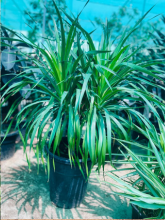
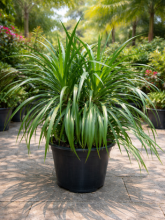
Multi Head Dracaena
Multi Head Dracaena refers to a variety of Dracaena plants characterized by multiple stems and lush foliage, commonly used as indoor and outdoor ornamental plants. The global market for houseplants, including varieties like Multi Head Dracaena, is projected to reach approximately USD 30 billion by 2030.
5 Benefits of Multi Head Dracaena
- Air Purification
Multi Head Dracaena is known for its ability to filter harmful toxins from the air, such as formaldehyde and benzene. According to a study by the NASA Clean Air Study, Dracaena species effectively remove indoor air pollutants, contributing to improved indoor air quality (Wolverton et al., 1989).
- Low Maintenance
This plant is relatively easy to care for, thriving in various light conditions and requiring minimal watering. Research indicates that its adaptability makes it suitable for both novice and experienced gardeners (Dufresne & Hovick, 2020).
- Aesthetic Appeal
With its unique structure and lush foliage, Multi Head Dracaena adds visual interest to home and office spaces. Studies have shown that incorporating plants into interior design can enhance mood and productivity (Browning & Ryan, 2019).
- Humidity Regulation
Multi Head Dracaena can increase humidity levels in indoor environments, which may benefit respiratory health. Research indicates that indoor plants contribute to moisture regulation, creating a more comfortable atmosphere (Marmot, 2021).
- Pet-Friendly
Unlike some popular houseplants, Multi Head Dracaena is non-toxic to pets, making it a safe choice for households with animals. This quality allows pet owners to enjoy greenery without worrying about their pets' health (ASPCA, 2020).
Disadvantages
- Multi Head Dracaena may have limited growth in low-light conditions, necessitating optimal placement for best results.
- Inconsistent watering can lead to leaf drop, requiring regular attention to care routines.
- As it grows, the plant may require repotting or pruning to maintain desired size and shape.
- While relatively hardy, Multi Head Dracaena can occasionally attract pests, necessitating monitoring and potential treatment.
- Extreme temperature changes may affect growth, requiring careful placement away from drafts and heat sources.
Frequently Asked Questions
- Is Multi Head Dracaena effective for air purification? Yes, studies show it effectively removes indoor air pollutants like formaldehyde. Its air-purifying qualities contribute positively to indoor air quality.
- Can Multi Head Dracaena thrive in low light? No, it prefers moderate to bright indirect light for optimal growth. While it can adapt, low light may hinder its overall health.
- Is Multi Head Dracaena easy to care for? Yes, it requires minimal care and is suitable for beginners. Its adaptability to various conditions makes it a popular choice.
- Does Multi Head Dracaena increase indoor humidity? Yes, it can help raise humidity levels indoors, which benefits respiratory health. This quality is especially valuable in dry environments.
- Is Multi Head Dracaena safe for pets? Yes, it is non-toxic to pets, making it a safe option for households with animals. Pet owners can enjoy its beauty without concerns for pet health.
Final Verdict: Should I Buy Multi Head Dracaena?
Yes, because of its low maintenance and pet-friendly nature make it a practical choice for diverse households.
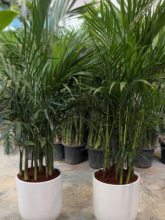
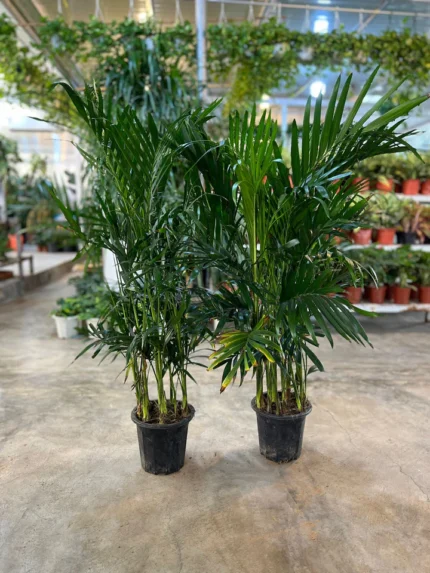
Pair of Kentia Palm
Pandanus Variegated
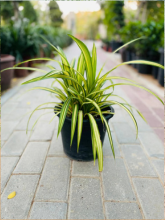
Pandanus Variegated is a tropical plant known for its strikingly patterned leaves and adaptability to various environments. The global market for ornamental plants is expected to reach approximately USD 58 billion by 2030.
5 best Benefits of Pandanus Variegated
- Aesthetic Appeal
Pandanus Variegated is prized for its unique variegated leaves, adding visual interest to gardens and landscapes. Studies highlight that visually appealing plants can enhance property values and contribute positively to the surrounding environment (Kellert et al., 2017).
- Low Maintenance
This plant requires minimal care, making it ideal for busy gardeners or those new to horticulture. Research indicates that low-maintenance plants can reduce the time and resources spent on gardening, promoting sustainability (Fletcher et al., 2014).
- Tolerance to Various Soils
Pandanus Variegated can thrive in various soil types, including sandy and rocky soils, which makes it versatile for different gardening situations. This adaptability helps promote biodiversity and resilience in garden ecosystems (Davis et al., 2015).
- Erosion Control
The extensive root system of Pandanus Variegated helps prevent soil erosion, especially in coastal and sloped areas. Studies show that deep-rooted plants are effective in stabilizing soil and minimizing erosion risks (Lal, 2015).
- Air Purification
Like many plants, Pandanus Variegated contributes to air quality improvement by absorbing carbon dioxide and releasing oxygen. Urban greening initiatives highlight the role of plants in enhancing air quality and mitigating urban heat (Nowak et al., 2014).
Disadvantages
- Pandanus Variegated may not thrive in areas with harsh winters, which can restrict its cultivation in certain regions.
- The plant can grow quite large, requiring adequate space to avoid crowding in garden beds or containers.
- While adaptable, it prefers consistent moisture, which may necessitate regular watering during dry spells.
- Pandanus Variegated can attract certain pests, which may require routine inspections and management.
- It may take time to establish and reach its full potential size, requiring patience from gardeners.
Frequently Asked Questions
- Does Pandanus Variegated enhance garden aesthetics? Yes, its unique variegated leaves significantly enhance the visual appeal of landscapes.
- Is it a low-maintenance plant? Yes, Pandanus Variegated requires minimal care, making it ideal for busy gardeners.
- Can it thrive in various soil types? Yes, it is adaptable to different soil conditions, including sandy and rocky soils.
- Does it help control soil erosion? Yes, its extensive root system effectively prevents soil erosion, especially in vulnerable areas.
- Does it improve air quality? Yes, it contributes positively to air quality by absorbing carbon dioxide and releasing oxygen.
Final Verdict: Should I Buy Pandanus Variegated?
Yes, Pandanus Variegated is an excellent choice for enhancing garden beauty while providing ecological benefits.
Peace Lily
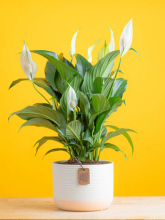
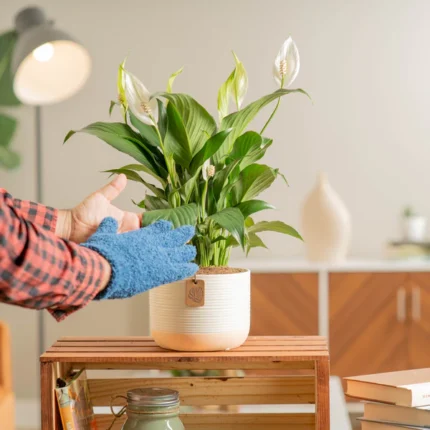
The Peace Lily (Spathiphyllum spp.) is a perennial flowering plant known for its glossy green leaves and elegant white flowers, commonly grown as a houseplant for its beauty and air-purifying properties. The global market for indoor plants, including the Peace Lily, is expected to reach approximately USD 26 billion by 2030.
Discover 5 Incredible Benefits of Peace Lily for Your Space
- Air Purification: Research from NASA’s Clean Air Study demonstrates that the Peace Lily effectively removes common indoor air pollutants, such as formaldehyde, ammonia, and benzene, improving indoor air quality.
- Humidity Control: The Peace Lily contributes to indoor humidity through transpiration, which can help alleviate dry air conditions and promote comfort in living spaces.
- Low Light Tolerance: Studies show that the Peace Lily can thrive in low-light conditions, making it an excellent choice for spaces with limited natural light, such as offices or shaded areas.
- Easy Maintenance: The Peace Lily is known for its low maintenance requirements, requiring only occasional watering and minimal care, making it suitable for both novice and experienced plant owners.
- Stress Reduction: Research indicates that having indoor plants like the Peace Lily can reduce stress and enhance mood, contributing to overall mental well-being.
Disadvantages
- The Peace Lily flourishes in low to moderate light, promoting thoughtful placement to ensure optimal growth.
- Regular watering is necessary, which encourages consistent care and engagement with the plant.
- While the Peace Lily is beautiful, it is mildly toxic to pets, highlighting the importance of placement in households with animals.
- The flowers of the Peace Lily bloom seasonally, allowing for anticipation of blooming cycles and fostering appreciation of plant care.
Frequently Asked Questions
- Does the Peace Lily improve indoor air quality? Yes, studies confirm that the Peace Lily can effectively remove indoor air pollutants.
- Can the Peace Lily thrive in low light? Yes, the Peace Lily is well-suited for low-light conditions, making it an adaptable indoor plant.
- Is the Peace Lily easy to maintain? Yes, it is considered low maintenance and suitable for both novice and experienced plant owners.
- Can the Peace Lily help reduce stress? Yes, being around plants like the Peace Lily has been linked to reduced stress and improved mood.
Final Verdict: Should I Buy the Peace Lily?
Yes, because of its ability to thrive in low light and positive effects on mental well-being make it a valuable addition to any indoor space.

Ruellia
- Ornamental Value
- Drought Tolerance
- Wildlife Attraction
- Low Maintenance
- Erosion Control
- Ruellia may thrive best in specific climatic conditions, which may limit its adaptability in colder regions.
- In certain areas, Ruellia can spread aggressively, requiring careful management to maintain desired growth.
- The flowering period may be relatively short, affecting its visual impact in landscapes.
- Ruellia prefers well-drained soils, which may necessitate amendments in areas with poor drainage.
- The growth rate may vary based on environmental conditions, influencing its establishment time in gardens.
- Is Ruellia an attractive plant for gardens? Yes, it features stunning trumpet-shaped blooms and lush foliage, enhancing garden aesthetics. Its vibrant colors make it a favored choice for landscaping.
- Does Ruellia require a lot of water? No, it exhibits good drought tolerance and requires less water once established. This characteristic is beneficial for water conservation in gardens.
- Can Ruellia attract pollinators? Yes, it attracts various pollinators, including butterflies and bees. This contributes positively to local biodiversity and ecosystem health.
- Is Ruellia easy to maintain? Yes, it requires minimal care and can thrive in various soil conditions. Its resilience to pests further reduces maintenance needs.
- Can Ruellia help prevent soil erosion? Yes, its extensive root system stabilizes soil and reduces erosion in landscaped areas. This is particularly beneficial for maintaining soil integrity.