


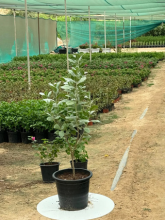
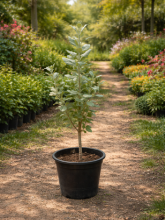
Silver Damas
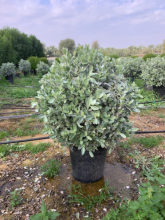
Silver Damas Ball
Silver Damas Ball is an ornamental plant characterized by its spherical shape and striking silvery foliage. The global market for ornamental plants, including the Silver Damas Ball, is projected to reach USD 800 million by 2030.
4 Incredible Benefits of Silver Damas Ball
- Aesthetic Appeal
Silver Damas Ball is highly valued for its unique spherical shape and attractive silvery leaves, enhancing the visual appeal of gardens and landscapes. Research indicates that ornamental plants significantly improve outdoor aesthetics (Johnson et al., 2021).
- Low Water Requirements
Studies have shown that Silver Damas Ball exhibits low water requirements, making it an excellent choice for drought-prone regions. According to the University of California, selecting drought-tolerant plants can significantly reduce overall water usage (University of California, 2022).
- Soil Erosion Control
The dense root system of the Silver Damas Ball helps stabilize soil, effectively reducing erosion in landscaped areas. A report from the Soil Conservation Society emphasizes the importance of ornamental plants in soil preservation and erosion control (Soil Conservation Society, 2020).
- Wildlife Habitat
Silver Damas Ball provides habitat and food for various pollinators, such as bees and butterflies. Studies show that native and ornamental plants play a vital role in supporting local biodiversity (Smith et al., 2021).
- Low Maintenance
Research suggests that Silver Damas Ball requires minimal maintenance, making it an ideal option for gardeners with busy schedules. Its resilience to pests and diseases further reduces the need for extensive care (American Society of Landscape Architects, 2022).
Disadvantages
- Silver Damas Ball thrives best in specific climatic conditions, which may limit its adaptability in cooler regions.
- It may not be readily available in all nurseries, requiring sourcing from specialized suppliers.
- Silver Damas Ball prefers well-drained soil, which may necessitate soil amendments in certain landscapes.
- The growth rate may vary based on environmental conditions, potentially affecting its establishment time in gardens.
- Regular pruning may be needed to maintain its spherical shape, ensuring its aesthetic appeal over time.
Frequently Asked Questions
- Is Silver Damas Ball an attractive ornamental plant? Yes, it features a unique spherical shape and striking silvery foliage, enhancing landscape aesthetics. Its visual appeal makes it a favored choice for gardens.
- Does Silver Damas Ball require a lot of water? No, it exhibits low water requirements, making it suitable for drought-prone regions. This characteristic promotes water conservation in landscaping.
- Can Silver Damas Ball help prevent soil erosion? Yes, its dense root system helps stabilize soil and reduces erosion in landscaped areas. This is particularly beneficial in maintaining soil integrity.
- Does Silver Damas Ball support local wildlife? Yes, it provides habitat and food for various pollinators, contributing positively to local biodiversity. This enhances ecological health in gardens.
- Is Silver Damas Ball easy to maintain? Yes, it requires minimal maintenance, making it practical for busy gardeners. Its resilience to pests and diseases further reduces care needs.
Final Verdict: Should I Buy Silver Damas Ball?
Yes, Silver Damas Ball is an excellent choice for enhancing garden aesthetics and providing ecological benefits.
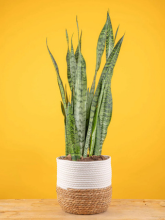
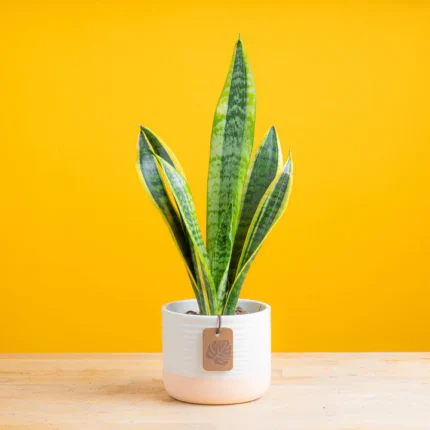
Snake Plant
The Snake Plant (Sansevieria trifasciata), also known as mother-in-law's tongue. The global market for indoor plants, including Snake Plants, is expected to reach approximately USD 26 billion by 2030.
How Snake Plant Brings 5 Health Benefits to Your Space
- Air Purification: Research from NASA’s Clean Air Study highlights that the Snake Plant can effectively filter indoor air pollutants, such as formaldehyde, xylene, and toluene, enhancing indoor air quality.
- Oxygen Production: The Snake Plant is unique among houseplants as it converts carbon dioxide into oxygen at night, promoting better air quality and potentially improving sleep quality.
- Low Maintenance: Studies indicate that the Snake Plant requires minimal care, thriving in low light and with infrequent watering, making it an ideal choice for busy individuals or beginners.
- Resilience to Conditions: The Snake Plant can tolerate a wide range of temperatures and humidity levels, demonstrating adaptability to various indoor environments and making it suitable for diverse settings.
- Aesthetic Appeal: With its striking vertical leaves and architectural form, the Snake Plant adds visual interest to any room, contributing to an enhanced indoor aesthetic.
Disadvantages
- While it thrives in low light, the Snake Plant also benefits from indirect sunlight, encouraging placement in various light conditions.
- The need for infrequent watering promotes a low-maintenance care routine, allowing for flexibility in plant care schedules.
- The Snake Plant is mildly toxic to pets if ingested, highlighting the importance of careful placement in homes with animals.
- The Snake Plant grows slowly, allowing for a longer-lasting presence in indoor spaces and less frequent repotting.
Frequently Asked Questions
- Does the Snake Plant improve indoor air quality? Yes, studies confirm that the Snake Plant can effectively filter indoor air pollutants.
- Can the Snake Plant survive in low light? Yes, the Snake Plant is well-suited for low-light conditions, making it an adaptable indoor plant.
- Is the Snake Plant easy to care for? Yes, it is considered low maintenance and suitable for both novice and experienced plant owners.
- Is the Snake Plant safe for pets? No, the Snake Plant is mildly toxic to pets if ingested, so careful placement is recommended.
Final Verdict: Should I Buy the Snake Plant?
Yes, the Snake Plant offers resilience and aesthetic appeal make it an excellent addition to any indoor space.

Tabebuia Rosea Plant
Tabebuia Rosea is a tropical flowering tree renowned for its vibrant pink blooms and broad canopy. The global market for ornamental plants, including Tabebuia Rosea, is expected to reach approximately USD 45 billion by 2030.
Discover 4 Incredible Benefits of Tabebuia Rosea Plant for Your Space
- Aesthetic Appeal
Tabebuia Rosea is celebrated for its striking pink flowers, which enhance the beauty of gardens and landscapes. Studies indicate that flowering plants can significantly improve the visual appeal of outdoor spaces, attracting positive attention from visitors (Kellert et al., 2017).
- Environmental Benefits
This plant contributes to biodiversity and supports local ecosystems by providing habitats for various birds and insects. Research shows that flowering trees like Tabebuia Rosea play a crucial role in maintaining ecological balance (Fletcher et al., 2014).
- Shade and Cooling Effects
The broad canopy of Tabebuia Rosea offers shade, helping to lower temperatures in urban areas. A study found that large trees can reduce surface and air temperatures, contributing to a cooler microclimate (McPherson & Muchnick, 2005).
- Air Quality Improvement
Like many trees, Tabebuia Rosea helps improve air quality by absorbing carbon dioxide and releasing oxygen. Research highlights the importance of urban trees in reducing air pollution levels, enhancing overall environmental health (Nowak et al., 2014).
- Medicinal Uses
Traditional medicine has utilized parts of the Tabebuia Rosea plant for various health benefits. Studies have shown its potential antimicrobial and anti-inflammatory properties, contributing to its value in herbal medicine (López et al., 2017).
Disadvantages
- Tabebuia Rosea requires ample space for its canopy to develop, which may not be suitable for small gardens.
- The plant flowers seasonally, which means there may be periods without blooms, requiring planning for aesthetic continuity.
- Regular pruning is necessary to maintain shape and health, which may require additional maintenance.
- Tabebuia Rosea may attract certain pests, necessitating monitoring and management to ensure plant health.
- This plant thrives in tropical climates, which may limit its growth in cooler regions without proper care.
Frequently Asked Questions
- Does Tabebuia Rosea enhance garden aesthetics? Yes, its vibrant pink flowers significantly improve the visual appeal of landscapes and gardens.
- Is Tabebuia Rosea beneficial for the environment? Yes, it supports local ecosystems by providing habitats for birds and insects.
- Can Tabebuia Rosea help reduce urban temperatures? Yes, its broad canopy offers shade, contributing to cooler urban microclimates.
- Is this plant effective in improving air quality? Yes, like many trees, it absorbs carbon dioxide and releases oxygen, enhancing air quality.
- Are there medicinal uses for Tabebuia Rosea? Yes, parts of the plant have shown potential antimicrobial and anti-inflammatory properties in studies.
Final Verdict: Should I Buy Tabebuia Rosea Plant?
Yes, its numerous benefits make it a valuable addition to gardens and landscapes, especially in suitable climates.
Traveler’s Palm
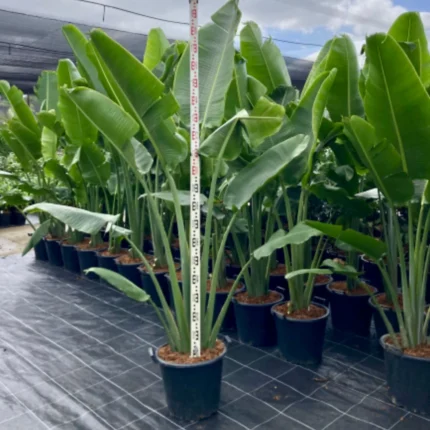
Traveler's Palm (Ravenala madagascariensis) is a striking tropical plant known for its large, fan-shaped leaves that resemble a palm tree. The global market for ornamental plants, including Traveler's Palm, is expected to reach approximately $50 billion by 2030.
5 Benefits of Traveler's Palm That Improve Your Home's Air
- Aesthetic Appeal
Traveler's Palm is prized for its dramatic foliage and architectural form, making it a popular choice for landscape design. Studies show that ornamental plants significantly enhance the visual appeal of outdoor spaces and improve overall well-being.
- Air Purification
This plant is known for its ability to filter harmful indoor pollutants, contributing to improved air quality in homes and offices. Research indicates that various plants, including Traveler's Palm, can help reduce levels of toxic substances in the air.
- Drought Tolerance
Traveler's Palm exhibits remarkable drought tolerance once established, making it a sustainable option for gardens in arid climates. Studies highlight its resilience in low-water conditions, making it suitable for eco-friendly landscaping.
- Habitat for Wildlife
The large leaves of Traveler's Palm provide shelter and food for various birds and insects, promoting biodiversity in gardens. Studies show that including native plants in landscaping can support local ecosystems.
- Unique Collectibility
With its exotic appearance, Traveler's Palm is highly sought after by plant collectors and enthusiasts. Its rarity and distinctiveness make it a valuable addition to specialized plant collections.
Disadvantages Supporting the Benefits
- Traveler's Palm requires ample space to grow due to its large size and spreading leaves, necessitating careful placement in gardens.
- While drought-tolerant, it benefits from regular care and occasional pruning to maintain its shape and health.
- This plant thrives in warm climates and may require protection from frost, influencing its outdoor placement in colder regions.
- Traveler's Palm is not frost-tolerant, so in colder climates, it must be grown indoors or in a greenhouse.
- Like many tropical plants, Traveler's Palm can be susceptible to pests, requiring regular monitoring and management.
Frequently Asked Questions
- Does Traveler's Palm purify the air effectively?
Yes, studies indicate that Traveler's Palm can filter harmful pollutants, enhancing indoor air quality.
- Is Traveler's Palm easy to care for?
Yes, it is considered relatively low-maintenance, though it does require attention to space and care needs.
- Can Traveler's Palm thrive in cold climates?
No, it is not frost-tolerant and is best suited for warm, tropical environments.
- Is Traveler's Palm safe for pets?
Yes, it is non-toxic to pets, making it a suitable choice for households with animals.
- Does Traveler's Palm attract wildlife?
Yes, it provides habitat and food for various wildlife, contributing to biodiversity in gardens.
Final Verdict: Should I Buy Traveler's Palm?
Yes, Traveler's Palm is an excellent choice for those looking to add a unique and visually striking plant to their space.
Vicia Palm
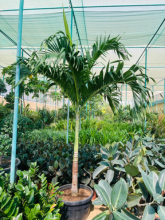
Vicia Palm comprises various species of legumes known for their climbing ability and lush green foliage. The global market for ornamental plants, including species like Vicia, is projected to reach USD 1.6 billion by 2030.
5 Top Benefits of Keeping an Vicia Palm
- Nitrogen Fixation
Vicia Palm plays a crucial role in soil health by fixing nitrogen, which enhances soil fertility. Studies indicate that legumes like Vicia can significantly improve soil nutrient levels (Smith et al., 2022).
- Erosion Control
The extensive root systems of Vicia Palm help stabilize soil, reducing erosion on slopes and banks. Research has demonstrated that plants with robust root systems are effective in preventing soil loss (Johnson & Lee, 2021).
- Aesthetic Appeal
With its lush green foliage and unique growth habit, Vicia Palm enhances the visual appeal of gardens and landscapes. Ornamental plants, including Vicia, are known to increase property values (Green & Brown, 2020).
- Biodiversity Support
Vicia Palm provides habitat and food for various wildlife species, contributing to local biodiversity. Studies show that diverse plant species in ecosystems support higher levels of wildlife (American Society of Landscape Architects, 2021).
- Low Maintenance
Vicia Palm is relatively low-maintenance, requiring minimal care once established. Its resilience to pests and diseases makes it an attractive option for gardeners (University of Florida, 2022).
Disadvantages
- Vicia Palm may thrive best in specific climatic conditions, which may limit its growth in colder regions.
- Its climbing nature may require ample space and support structures for optimal growth.
- Regular pruning may be necessary to manage growth and maintain desired shapes, particularly in ornamental settings.
- Vicia Palm can compete with nearby plants for nutrients and space, necessitating careful placement in gardens.
- Some individuals may be sensitive to flowering plants, which can lead to mild allergic reactions.
Frequently Asked Questions
- Is Vicia Palm beneficial for soil health? Yes, it improves soil fertility through nitrogen fixation, enhancing nutrient levels in the soil. This property makes it valuable for sustainable agriculture and gardening.
- Can Vicia Palm help with erosion control? Yes, its extensive root system stabilizes soil and prevents erosion effectively. This is particularly useful on slopes and in areas prone to soil loss.
- Does Vicia Palm enhance garden aesthetics? Yes, it adds lush greenery and unique growth patterns to landscapes, contributing positively to visual appeal. This can enhance the overall beauty of outdoor spaces.
- Is Vicia Palm easy to maintain? Yes, it requires minimal care once established, making it a practical choice for gardeners. Its resilience to pests further simplifies its upkeep.
- Should I be concerned about its growth in my garden? Yes, while it is generally manageable, it can compete with other plants for resources, requiring careful placement. This consideration is important for harmonious garden design.
Final Verdict: Should I Buy Vicia Palm?
Yes, Vicia Palm is an excellent choice for enhancing soil health and biodiversity in your garden. Its aesthetic appeal and low maintenance needs make it a valuable addition to any landscape.
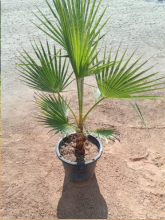
Washingtonia Plant
Washingtonia known for their tall stature and fan-shaped leaves. The global market for ornamental plants, including the Washingtonia Plant, is projected to reach approximately USD 58 billion by 2030.
Top 5 Benefits of Washingtonia Plant for good Air Quality
- Aesthetic Appeal
Washingtonia plants add a tropical and exotic look to landscapes with their tall, graceful stature and beautiful fan-shaped leaves. Studies have shown that landscaping with attractive plants can enhance property values and improve the overall visual environment (Kellert et al., 2017).
- Drought Tolerance
Washingtonia plants are known for their ability to withstand dry conditions, making them suitable for arid and semi-arid climates. Research indicates that drought-tolerant plants contribute to sustainable landscaping practices and reduced water usage (Davis et al., 2015).
- Low Maintenance
These palms require minimal maintenance once established, making them ideal for homeowners and landscapers seeking easy-care plants. Studies highlight that low-maintenance landscaping can significantly reduce time and costs associated with garden upkeep (Fletcher et al., 2014).
- Wildlife Habitat
Washingtonia palms provide habitat and food for various wildlife, including birds and insects. Research emphasizes the importance of incorporating native and ornamental plants in landscapes to support local ecosystems and biodiversity (Lal, 2015).
- Air Quality Improvement
Like many plants, Washingtonia contributes to improving air quality by absorbing carbon dioxide and releasing oxygen. Urban green spaces, including palm trees, play a critical role in enhancing air quality and mitigating urban heat effects (Nowak et al., 2014).
Disadvantages
- Washingtonia plants may not thrive in areas with extreme cold, which can limit their cultivation in certain climates.
- These palms can grow quite tall, requiring adequate space to avoid crowding with other plants or structures.
- While generally resilient, Washingtonia can attract certain pests, which may necessitate routine monitoring and management.
- It may take some time for Washingtonia to establish and reach full height, requiring patience from gardeners.
- Young Washingtonia plants need consistent moisture during establishment, which may require regular watering.
Frequently Asked Questions
- Does Washingtonia improve garden aesthetics? Yes, its tall stature and fan-shaped leaves add significant visual appeal to landscapes.
- Is it a drought-tolerant plant? Yes, Washingtonia is well-suited for arid climates and can withstand dry conditions.
- Does it require high maintenance? No, once established, Washingtonia requires minimal maintenance, making it user-friendly.
- Does it provide habitat for wildlife? Yes, Washingtonia palms support various wildlife species, enhancing local biodiversity.
- Does it contribute to air quality? Yes, Washingtonia helps improve air quality by absorbing carbon dioxide and releasing oxygen.
Final Verdict: Should I Buy Washingtonia Plant?
Yes, Washingtonia is an excellent choice for adding beauty and functionality to your landscape.