






د.إ199.00
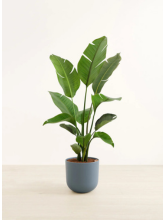
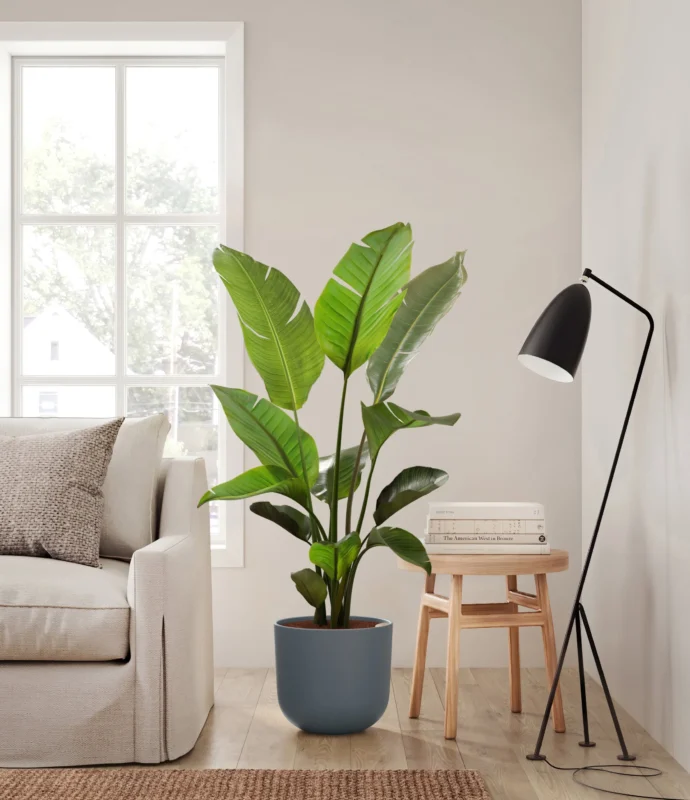
The Bird of Paradise (Strelitzia reginae) is a striking tropical plant known for its vibrant, bird-like flowers and large, banana-like leaves, commonly grown as an ornamental houseplant. The global houseplant market, which includes the Bird of Paradise, is expected to reach $5.8 billion by 2030 due to increasing demand for unique ornamental plants in homes and gardens.
5 Essential Benefits of Bird of Paradise for Well-being
Bird of Paradise is celebrated for its stunning flowers and foliage, making it a highly sought-after ornamental plant that enhances the beauty of indoor and outdoor spaces.
Research indicates that the Bird of Paradise can help improve indoor air quality by removing toxins, thereby promoting a healthier living environment.
This plant is relatively low-maintenance once established, requiring moderate watering and thriving in bright, indirect light, which suits various indoor settings.
The striking flowers of the Bird of Paradise are known to attract pollinators like hummingbirds and butterflies, contributing to local biodiversity.
When properly cared for, the flowers can last for several weeks, providing extended periods of visual interest and beauty.
Disadvantages
Frequently Asked Questions
Yes, it can be grown indoors with proper light and care, making it suitable for many home environments.
Yes, studies show that Bird of Paradise can effectively filter indoor air pollutants, contributing to improved air quality.
No, it thrives best in bright, indirect light and may struggle to grow in low-light conditions.
Yes, it is non-toxic to pets, making it a safe choice for homes with animals.
Yes, they attract pollinators such as hummingbirds and butterflies, enhancing local biodiversity.
Final Verdict: Should I Buy Bird of Paradise?
Yes, because of its unique appearance and ease of care make it a valuable addition to any indoor or outdoor garden.
| Brand |
KLÖBER |
|---|



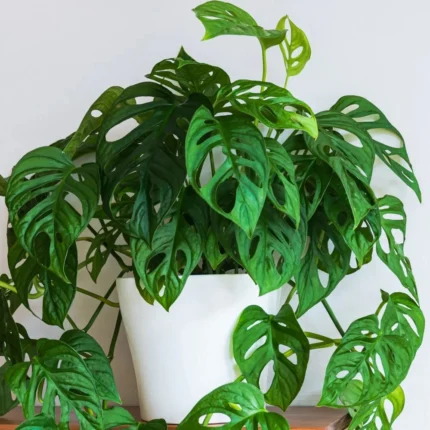
The Monkey Monstera (Monstera adansonii), also known as the Swiss Cheese Plant, is a tropical vine characterized by its distinctive heart-shaped leaves with unique holes or splits.The global market for ornamental plants, including the Monkey Monstera, is projected to reach approximately USD 64 billion by 2030.
Top 5 Benefits of Growing an Monkey Monstera at Home
Disadvantages
Frequently Asked Questions
Final Verdict: Should I Buy the Monkey Monstera?
Yes, its unique aesthetic appeal and positive effects on mental well-being make it a valuable addition to any indoor space.
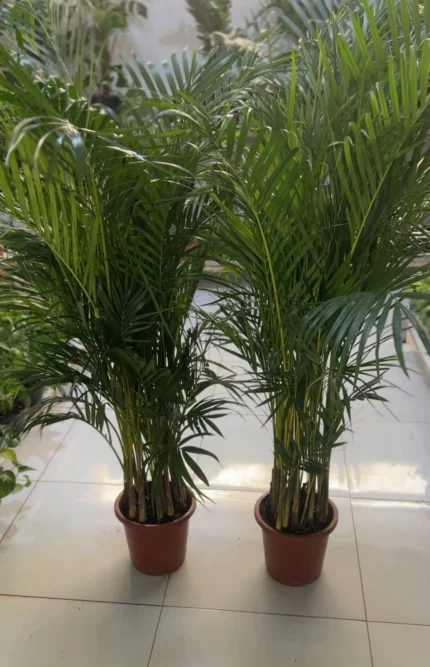
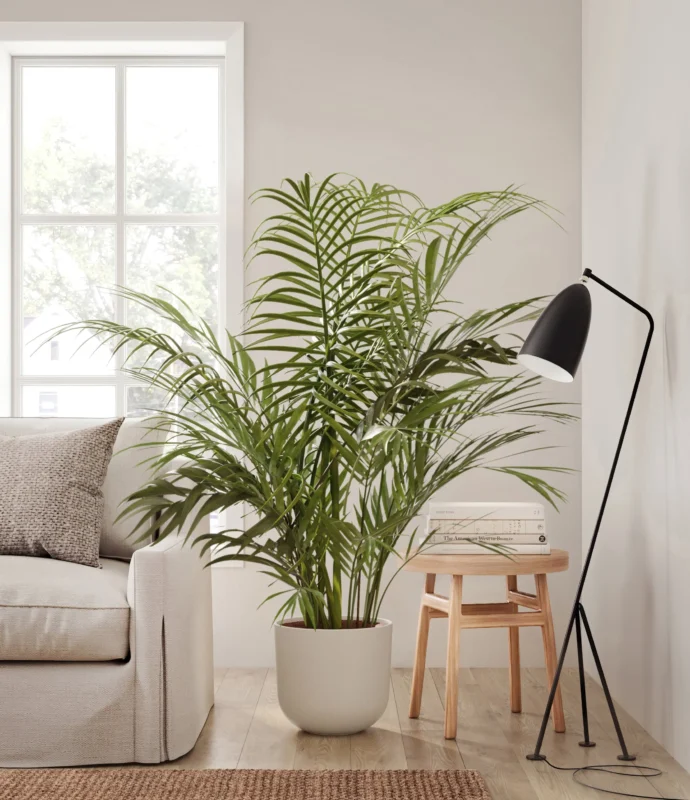
Enhance your space with the refreshing greenery of a Pair of Areca Palms. Known for their lush, feathery fronds and graceful appearance, Areca palms are one of the most popular indoor and outdoor decorative plants. When placed as a pair, they create a balanced and elegant look, making them perfect for entrances, living rooms, patios, or office lobbies.
Features:
Vibrant, arching fronds that add a tropical charm.
Excellent natural air purifier—removes toxins and improves indoor air quality.
Thrives in bright, indirect light with moderate watering.
Safe and non-toxic to pets, making it a family-friendly choice.
Perfect For:
Villa entrances and patios.
Indoor corners for a lush green accent.
Office spaces and commercial lobbies.
Pairing with decorative pots for a modern, elegant finish.
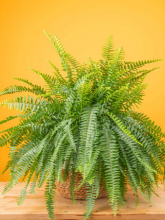
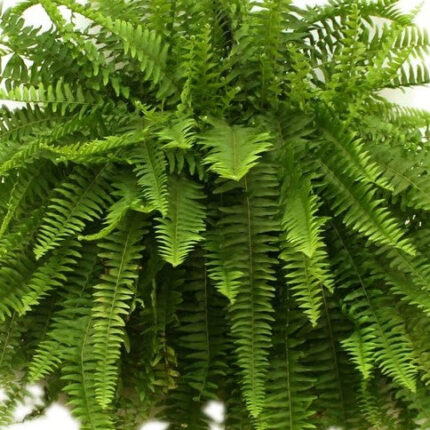
The Boston Fern, scientifically known as Nephrolepis exaltata, is a popular houseplant characterized by its lush, feathery fronds and vibrant green color. This fern is commonly used in both indoor and outdoor gardening due to its aesthetic appeal. The global market is projected to reach approximately $6.3 billion by 2030.
4 Surprising Benefits of Boston Fern for Indoor Health and Beauty
Boston Ferns are known for their air-purifying properties, effectively removing pollutants such as formaldehyde and xylene from the air. A study conducted by NASA highlighted the plant's ability to filter indoor air, contributing to a healthier living environment.
This fern naturally increases indoor humidity levels through the process of transpiration. Research has shown that plants like the Boston fern can help improve humidity in dry indoor conditions, promoting respiratory health and comfort.
Boston Ferns can thrive in low-light environments, making them ideal for shaded indoor spaces. Studies indicate that they can adapt to varying light conditions, allowing them to flourish even in less than optimal lighting.
With their cascading fronds, Boston Ferns add a touch of natural beauty to any space, enhancing overall decor. Research suggests that the presence of greenery can improve mood and reduce stress levels in indoor settings.
Boston Ferns may deter certain pests, such as mosquitoes and spiders, due to their strong scent. Studies suggest that having plants in your home can help reduce insect presence, contributing to a more pleasant indoor environment.
Disadvantages
Frequently Asked Questions
Yes, studies confirm that Boston Ferns can remove indoor air pollutants, contributing to improved air quality in homes.
Yes, they thrive well in low-light environments, making them suitable for shaded areas in homes.
Yes, Boston Ferns are generally considered non-toxic to pets, making them a safer choice for households with animals.
Yes, they need consistent moisture and regular care, which may require more attention compared to other houseplants.
Yes, while they can deter some pests, they can also attract others, necessitating regular checks for infestations.
Final Verdict: Should I Buy Boston Fern?
Yes, The ability to improve humidity and aesthetic appeal makes them a valuable addition to any home or office.
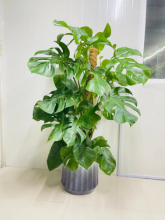
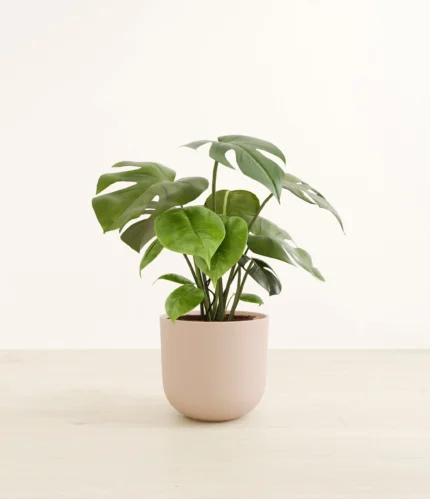
Monstera Deliciosa is a tropical plant native to Central America, known for its large, split leaves and is often used as a decorative houseplant. The global market for houseplants, including Monstera Deliciosa, is projected to reach $5.8 billion by 2030 due to increased urbanization and demand for indoor plants.
5 Reasons Monstera Deliciosa is perfect for Cleaner Indoor Air
Monstera Deliciosa has been noted for its ability to improve indoor air quality by filtering harmful pollutants, as per the NASA Clean Air Study.
Its large, striking leaves make it an eye-catching plant, often used to enhance interior designs in homes and offices.
This plant is relatively easy to care for, thriving in indirect light and moderate watering, making it a suitable option for beginners.
Research shows that the presence of indoor plants like Monstera Deliciosa can help reduce stress and increase focus and productivity.
Monstera Deliciosa adapts well to a variety of indoor conditions, making it a versatile plant for different environments.
Disadvantages Supporting the Benefits
Frequently Asked Questions
Yes, but it needs space to grow, so regular pruning is necessary in smaller rooms. Otherwise, it may outgrow its surroundings.
Yes, it helps remove indoor pollutants like formaldehyde, enhancing air quality, as supported by air-cleaning studies.
Yes, but for optimal growth, bright, indirect sunlight is ideal. It can survive in lower light, but this may slow down its growth.
No, the plant contains calcium oxalates, which can cause mild irritation if ingested by pets. It is best to keep it out of reach.
No, it is relatively easy to maintain. It requires moderate watering and indirect light, making it a good choice for beginners.
Final Verdict: Should I Buy Monstera Deliciosa?
Yes, Monstera Deliciosa is an excellent choice for indoor plant lovers, offering beauty, air purification, and adaptability. Its ease of care and stress-reducing
Monstera Deliciosa is a tropical plant native to Central America, known for its large, split leaves and is often used as a decorative houseplant. The global market for houseplants, including Monstera Deliciosa, is projected to reach $5.8 billion by 2030 due to increased urbanization and demand for indoor plants.
5 Reasons Monstera Deliciosa is perfect for Cleaner Indoor Air
Monstera Deliciosa has been noted for its ability to improve indoor air quality by filtering harmful pollutants, as per the NASA Clean Air Study.
Its large, striking leaves make it an eye-catching plant, often used to enhance interior designs in homes and offices.
This plant is relatively easy to care for, thriving in indirect light and moderate watering, making it a suitable option for beginners.
Research shows that the presence of indoor plants like Monstera Deliciosa can help reduce stress and increase focus and productivity.
Monstera Deliciosa adapts well to a variety of indoor conditions, making it a versatile plant for different environments.
Disadvantages Supporting the Benefits
Frequently Asked Questions
Yes, but it needs space to grow, so regular pruning is necessary in smaller rooms. Otherwise, it may outgrow its surroundings.
Yes, it helps remove indoor pollutants like formaldehyde, enhancing air quality, as supported by air-cleaning studies.
Yes, but for optimal growth, bright, indirect sunlight is ideal. It can survive in lower light, but this may slow down its growth.
No, the plant contains calcium oxalates, which can cause mild irritation if ingested by pets. It is best to keep it out of reach.
No, it is relatively easy to maintain. It requires moderate watering and indirect light, making it a good choice for beginners.
Final Verdict: Should I Buy Monstera Deliciosa?
Yes, Monstera Deliciosa is an excellent choice for indoor plant lovers, offering beauty, air purification, and adaptability. Its ease of care and stress-reducing benefits make it a valuable addition to any home or office.
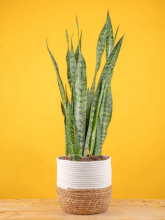
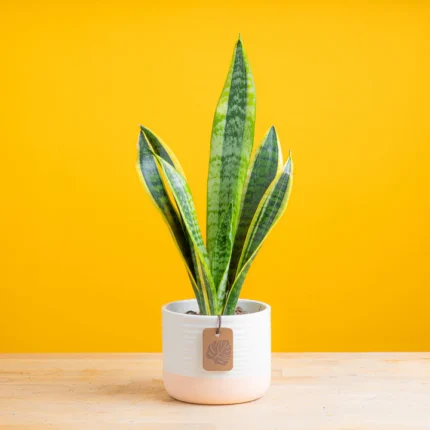
The Snake Plant (Sansevieria trifasciata), also known as mother-in-law's tongue. The global market for indoor plants, including Snake Plants, is expected to reach approximately USD 26 billion by 2030.
How Snake Plant Brings 5 Health Benefits to Your Space
Disadvantages
Frequently Asked Questions
Final Verdict: Should I Buy the Snake Plant?
Yes, the Snake Plant offers resilience and aesthetic appeal make it an excellent addition to any indoor space.
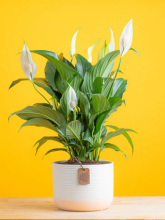
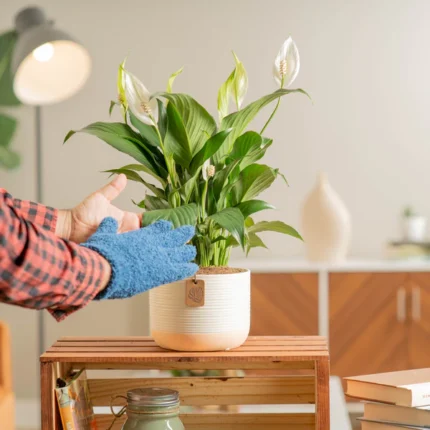
The Peace Lily (Spathiphyllum spp.) is a perennial flowering plant known for its glossy green leaves and elegant white flowers, commonly grown as a houseplant for its beauty and air-purifying properties. The global market for indoor plants, including the Peace Lily, is expected to reach approximately USD 26 billion by 2030.
Discover 5 Incredible Benefits of Peace Lily for Your Space
Disadvantages
Frequently Asked Questions
Final Verdict: Should I Buy the Peace Lily?
Yes, because of its ability to thrive in low light and positive effects on mental well-being make it a valuable addition to any indoor space.
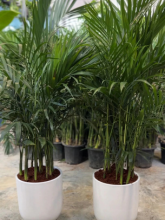
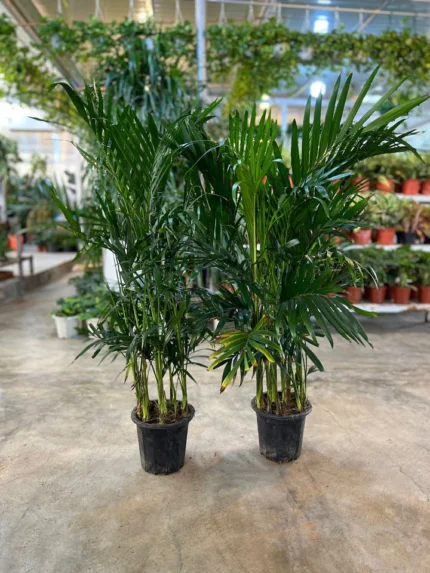
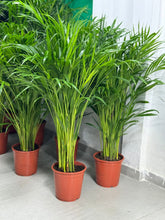
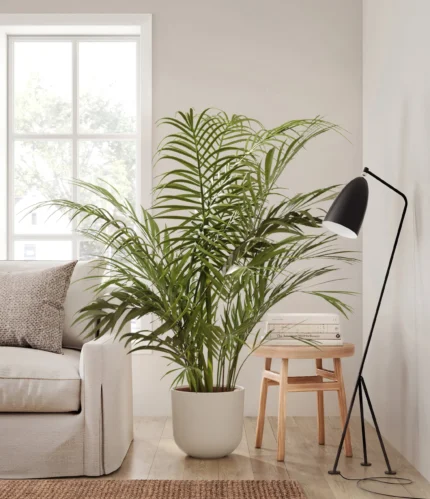
The Areca Palm (Dypsis lutescens), also known as the butterfly palm or golden cane palm, is a tropical plant commonly grown indoors and in landscapes for its attractive, feathery fronds. The global market for ornamental plants, including Areca Palms, is expected to reach approximately USD 64 billion by 2030.
4 Key Benefits of Having Areca Palm in Your Home
Disadvantages
Frequently Asked Questions
Final Verdict: Should I Buy the Areca Palm?
Yes, It is a pet-friendly plant, making it a great choice for enhancing both indoor and outdoor spaces.








No account yet?
Create an AccountYou must be 18 years of age or older to view page. Please verify your age to enter.
Your access is restricted because of your age.


Reviews
There are no reviews yet.